When selecting a partner for Printed Circuit Board Assembly (PCBA), understanding the differences between using a manufacturing broker and working directly with a manufacturer like CEN PCBA is crucial to your success. While brokers may offer a broad network of suppliers, the potential hidden challenges can impact product quality, delivery schedules, and overall results.
At CEN PCBA, we believe in providing a direct, transparent, and reliable manufacturing experience that eliminates the risks often associated with brokers. Let’s explore why working directly with CEN PCBA offers significant advantages over traditional PCB manufacturing brokers.
The Pitfalls of the Broker Model
PCB manufacturing brokers often present themselves as neutral intermediaries, offering connections to a wide array of manufacturers. However, the broker model can lead to several issues that could affect the outcome of your project:
- Misaligned Incentives: Brokers typically prioritize manufacturers that offer the highest commissions, not necessarily those best suited to your needs, which can lead to compromised quality or higher costs.
- Limited Transparency: Brokers may withhold crucial information about a manufacturer’s capabilities, past performance, or limitations to protect their commission-based relationships.
- Lack of Control: With brokers acting as intermediaries, you lose visibility and control over the manufacturing process, which can result in delays and quality issues.
- Supply Chain Vulnerabilities: Brokers do not manage the supply chain, leaving you vulnerable to component shortages, price fluctuations, and delivery delays.
- Limited Expertise: While brokers may claim technical expertise, their primary goal is sales, and they often lack the in-depth knowledge to guide design optimization or ensure manufacturing best practices.
Why Choose CEN PCBA for Your Project?
CEN PCBA is more than just a manufacturer; we are a comprehensive, end-to-end solution for PCB assembly. Here’s why choosing us as your direct manufacturing partner makes sense:
- Single Point of Contact for Seamless Communication
Unlike brokers who involve multiple parties, CEN PCBA offers you a single point of contact throughout the entire process. This simplifies communication, reduces errors, and ensures clear accountability. - Complete Control and Visibility
With CEN PCBA, you have full visibility into every stage of the production process. We maintain stringent quality control at every step, from design through to final assembly. Your project is in our hands, ensuring consistent quality and timely delivery. - Robust Supply Chain Management
We manage the entire supply chain, including component sourcing, inventory management, and logistics. By working directly with CEN PCBA, you can minimize disruptions and avoid the risks of third-party supply chain vulnerabilities. - Deep Expertise and Technical Support
Our team is composed of experienced engineers who provide valuable insights into design optimization, material selection, and manufacturing best practices. We offer unmatched technical expertise to ensure the best possible outcome for your project. - Scalability and Flexibility
Whether you need small-volume prototypes or large-scale production, CEN PCBA is equipped to scale with your needs. Our flexible manufacturing capabilities support both prototyping and high-volume production runs, ensuring your project can evolve seamlessly. - Quality Assurance at Every Step
We implement strict quality control measures at every stage of production. From incoming parts inspection to final product testing, we ensure that your boards meet the highest standards of performance and reliability. - Support for North American Manufacturing
Choosing CEN PCBA means supporting North American manufacturing and benefiting from shorter lead times and reduced shipping costs. Our North American factory network ensures a faster turnaround and dependable delivery times.
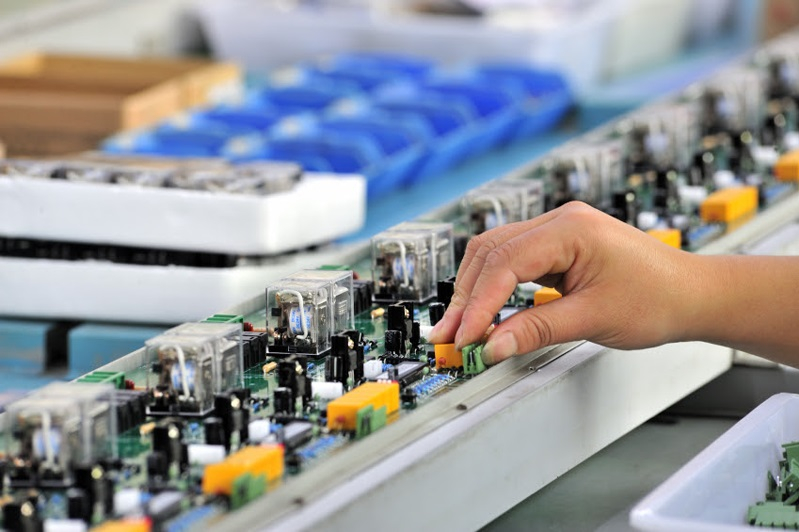
The CEN PCBA Advantage
By working directly with CEN PCBA, you gain the benefits of control, quality, and reliability that brokers simply cannot provide. Our comprehensive approach means you have a partner who is invested in your success, with the expertise and infrastructure to deliver on your needs.
Key Benefits of Partnering with CEN PCBA:
- Seamless Communication: One dedicated contact for your entire project.
- End-to-End Control: Full oversight and management of the manufacturing process.
- Scalability: Flexible manufacturing capabilities to support your growing needs.
- Superior Quality: Rigorous quality control from start to finish.
- North American Manufacturing: Reduced lead times and lower transportation costs.
- Conclusion: Why Direct Manufacturing is the Optimal Choice
While PCB manufacturing brokers may seem like a convenient option, they often bring significant risks and limitations. CEN PCBA offers a direct, transparent, and reliable alternative, ensuring that you have complete control over quality, timelines, and cost-efficiency.
If you’re ready to streamline your PCB assembly process and bring your product to market with greater confidence and efficiency, contact CEN PCBA today to learn more about how we can help.
Comments
Post a Comment